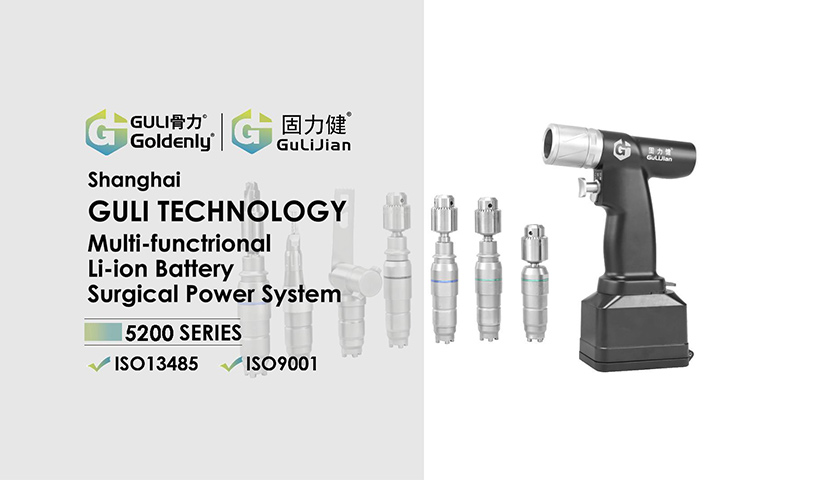
A surgical power system is a core set of electromechanical medical devices specially designed to assist surgeons in completing precise and efficient intraoperative operations. It mainly consists of power host, lightweight handheld instruments, replaceable functional heads and intelligent control modules, serving as an essential tool in modern minimally invasive and orthopedic surgeries. Driven by electric power or compressed air, the system converts stable energy into controllable mechanical movements such as drilling, cutting, grinding and sawing.
Precision and operational stability are the most prominent strengths of modern surgical power systems. Equipped with stepless speed regulation and constant torque output technology, the system avoids manual operation errors, enabling fine processing of bone and soft tissues. Its anti-vibration design and ergonomic handheld structure effectively reduce surgeon fatigue during long operations. Meanwhile, most systems support dual control via manual buttons and foot pedals, simplifying surgical procedures and improving intraoperative flexibility.
This versatile system covers a wide range of clinical scenarios. It is widely applied in orthopedic trauma surgery for bone drilling and resection, neurosurgery for accurate craniotomy and skull shaping, as well as endoscopic and micro-bone surgeries of hands and feet. In addition, integrated suction and cleaning functions prevent surgical field blurring, further improving operation safety and efficiency.
With modular and portable design, current surgical power systems are easy to disassemble, clean and sterilize, meeting strict hospital infection control standards. By shortening operation time, reducing tissue damage and lowering complication risks, the surgical power system has become an indispensable technological support for improving surgical quality and optimizing patient recovery outcomes in modern healthcare.