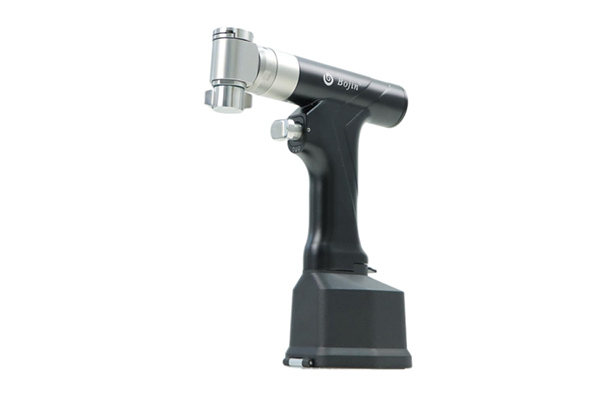
Surgical power tools have revolutionized modern surgery, replacing manual instruments with motorized devices that deliver unmatched precision, efficiency, and control. From orthopedic bone cutting to neurosurgical tissue dissection, these tools—powered by electric, pneumatic, or battery systems—have become indispensable, transforming complex procedures into safer, more predictable interventions that benefit both surgeons and patients.
The core strength of surgical power tools lies in their ability to translate mechanical energy into targeted, controlled motion. Unlike manual tools that rely on surgeon fatigue-prone effort, power tools offer consistent performance: oscillating saws move in rapid back-and-forth arcs for clean tissue cuts, drills deliver steady rotation to create precise holes, and reamers smooth bone surfaces with uniform pressure. This consistency eliminates human error caused by hand tremors or uneven force, a critical advantage in delicate procedures like spinal fusion or pediatric surgery.
Key types of surgical power tools cater to diverse specialty needs. Orthopedics relies on sagittal saws and bone drills to shape bones for implants and stabilize fractures. Neurosurgeons use high-speed micro-drills with diamond-tipped bits to access brain tissue without damaging neural structures. In maxillofacial surgery, reciprocating saws contour facial bones for reconstructive work, while in general surgery, powered dissectors separate soft tissues with minimal bleeding. Each tool is engineered for specific tasks, with adjustable speed and torque settings to match tissue density—from fragile cartilage to dense cortical bone.
Technological innovation has driven significant advancements in these tools. Battery-powered models, once less powerful than wired alternatives, now use lithium-ion batteries to deliver consistent performance for hours, freeing surgeons from power cords and expanding use in mobile surgical units. Digital controls integrate with surgical navigation systems, allowing real-time adjustments based on imaging data. Materials have also improved: tool housings use lightweight, autoclavable plastics, while attachments are made from medical-grade stainless steel or titanium for durability and corrosion resistance.
Clinical benefits of these tools are tangible. They reduce surgical time by up to 40% in orthopedic procedures, lowering anesthesia risks and operating room costs. Their precision minimizes tissue trauma, reducing blood loss and infection rates—key factors in shortening patient recovery times. For surgeons, ergonomic designs with balanced weights and non-slip grips reduce hand fatigue during long operations, enhancing focus and performance.
Safety is embedded in every design. Anti-kickback mechanisms stop tools if unexpected resistance is encountered, preventing injury. Built-in radiation shielding protects users in imaging-integrated procedures, while disposable attachments eliminate cross-contamination risks. As AI and robotics advance, future power tools may feature automated motion correction and haptic feedback, further elevating precision. In every iteration, surgical power tools remain a cornerstone of modern medicine, bridging engineering and healthcare to improve patient outcomes worldwide.