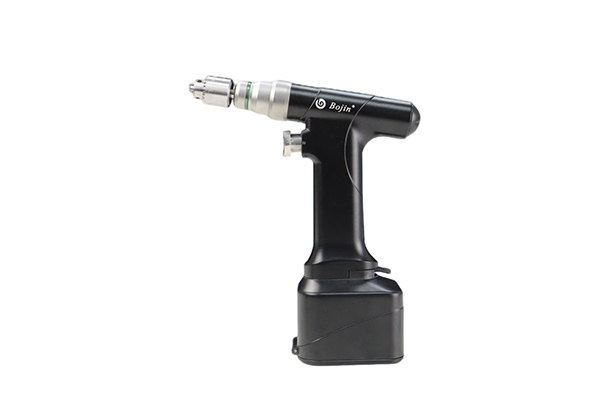
An orthopedic electric drill is a specialized motor-driven surgical instrument exclusively designed for bone drilling in orthopedic procedures, serving as an indispensable tool in fracture repair, joint replacement, spinal surgery, and bone reconstruction. Unlike general medical drills, it is engineered to address the unique demands of orthopedic practice—combining controlled power, adjustable speed, and ergonomic design to ensure precise, safe bone work while minimizing damage to surrounding soft tissues, nerves, and blood vessels. Its reliability and versatility make it a staple in every orthopedic operating room and clinic.
The design of orthopedic electric drills is tailored to orthopedic-specific needs. Most models feature a lightweight, ergonomic handheld body powered by either corded electric sources for consistent, continuous power or rechargeable lithium-ion batteries for greater mobility in the operating room. They come with interchangeable drill bits, including twist bits for general bone drilling, cannulated bits for guided screw placement, and osteotome bits for shaping bone. Equipped with brushless electric motors, these drills deliver stable torque, low vibration, and minimal heat generation—key to reducing bone necrosis and soft tissue irritation caused by friction during drilling.
Adjustable speed and torque controls are core features that set orthopedic electric drills apart. Surgeons adjust settings based on bone density: lower speeds (500–1500 RPM) are used for dense cortical bone to ensure control and prevent drill bit slippage, while higher speeds (1500–3000 RPM) are ideal for softer cancellous bone to optimize efficiency. Torque control mechanisms prevent over-drilling, protecting deep bone structures and ensuring the drilled hole matches the size of orthopedic implants such as screws, pins, or plates.
Clinical applications of orthopedic electric drills are widespread in orthopedics. In trauma surgery, they drill precise holes for fixing fractured bones with plates and screws. In joint replacement procedures, they prepare bone surfaces to fit prosthetic components, enhancing implant stability. In spinal surgery, they create channels for spinal fusion and screw placement. They also play a role in reconstructive orthopedics, aiding in bone grafting and corrective osteotomies.
Safety protocols are critical for the use of orthopedic electric drills. Preoperatively, surgeons inspect the drill for motor function, drill bit sharpness, and secure connections. Intraoperatively, continuous irrigation with sterile saline cools the drill bit and bone, reducing thermal damage. Surgeons maintain clear visualization of the drilling site and use guides to ensure accuracy, avoiding neurovascular structures. Post-use, drills are disassembled, thoroughly cleaned, sterilized, and maintained to ensure longevity and consistent performance.
In summary, the orthopedic electric drill is a vital instrument in modern orthopedic care, blending engineering precision with clinical practicality. Its adjustable settings, ergonomic design, and reliable performance enable surgeons to perform complex bone work with accuracy and safety, reducing complications and accelerating patient recovery. As technology advances, these drills continue to evolve, becoming more precise and user-friendly to support better orthopedic outcomes.