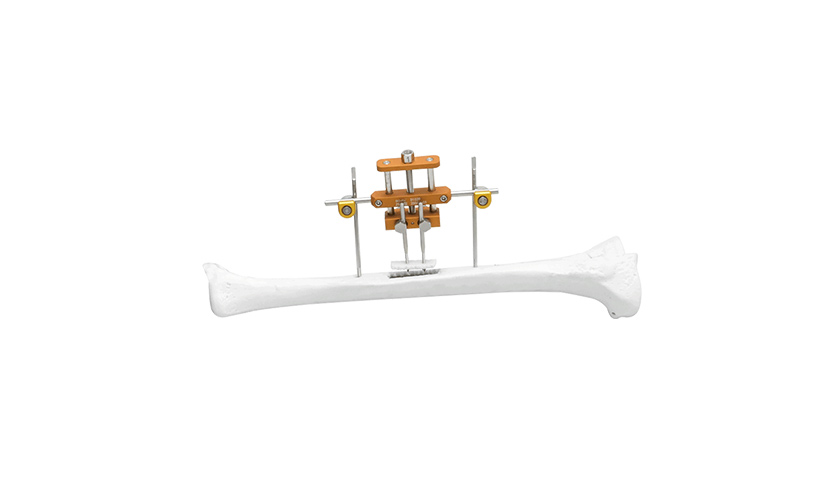
Tibial transverse bone transport (TTT) is an orthopaedic surgical technique derived from Ilizarov’s tension‑stress principle, widely adopted to treat chronic ischaemic lower‑limb conditions, especially refractory diabetic foot ulcers that carry high amputation risks.
During the procedure, surgeons perform a controlled corticotomy on the medial tibial cortex to create a small bone segment. An external fixator is mounted on the tibia to pull this cortical block outward slowly and transversely at a preset rate after a short latency period. The gradual distraction triggers distraction histogenesis, stimulating robust angiogenesis, activating stem cells and releasing growth factors to rebuild local microcirculation in the foot and ankle region. Improved blood supply relieves tissue hypoxia, reduces infection and supports the closure of long‑standing wounds.
This method serves as a vital limb‑salvage option when conventional vascular interventions and wound care fail. Clinical evidence shows favourable limb salvage rates for severe diabetic foot disease, though it carries known risks including pin tract infection, tibial fracture and skin irritation around the fixator pins. Modern refinements such as 3D‑printed cutting guides enhance surgical precision and reduce operative trauma.
TTT offers a unique biological approach instead of direct vascular bypass. It has reshaped the management of ischaemic foot wounds, bringing hope for patients who would otherwise face major lower‑limb amputation.