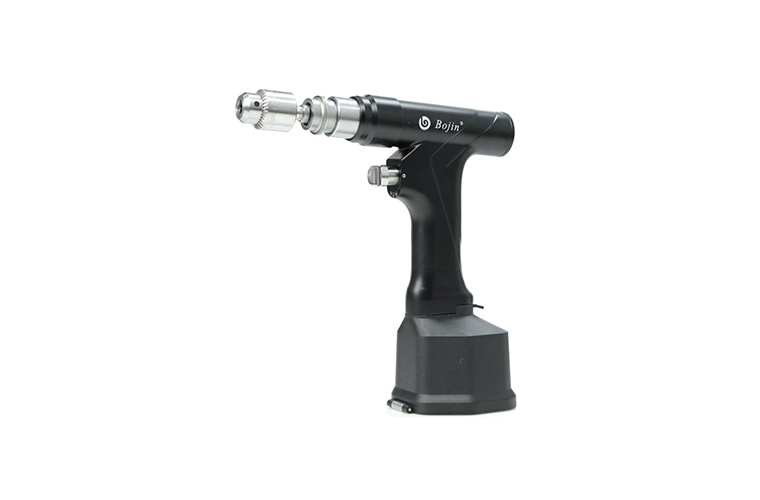
As modern medicine evolves rapidly, minimally invasive, precise, and efficient surgery has become the core pursuit of global clinical treatment. At the heart of this medical advancement lies surgical power tools, an indispensable technological innovation that has completely transformed traditional surgical procedures and set new standards for safety and accuracy in orthopedic, neurosurgical, dental, and reconstructive surgery.
Unlike manual surgical instruments that rely purely on human force, surgical power tools are specialized electric or pneumatic devices designed for cutting, drilling, sawing, and grinding hard tissues such as bones and teeth. Integrated with high-precision motor systems and intelligent control modules, these tools deliver stable, adjustable power output that eliminates the instability of manual operation. For surgeons, this means finer incision control, reduced tissue damage, and the ability to complete complex surgical steps with unprecedented efficiency.
Precision is the most prominent advantage of modern surgical power tools. Equipped with microscopic calibration technology and anti-vibration structures, the tools maintain steady operation even during long-duration surgeries. They can achieve micron-level cutting and drilling, effectively avoiding damage to surrounding blood vessels, nerves, and soft tissues. This high precision directly translates to better clinical outcomes: smaller surgical wounds, less intraoperative bleeding, and significantly reduced postoperative pain for patients. Meanwhile, the optimized structural design shortens operation time greatly, lowering the risk of infection and anesthesia complications, and accelerating patient recovery.
Safety and ergonomics are also key highlights of upgraded surgical power tools. Strictly manufactured in line with international medical standards, all devices support high-temperature and high-pressure sterilization, ensuring full sterile safety in clinical use. The lightweight, streamlined body design reduces the hand fatigue of surgeons during high-intensity operations. Additionally, intelligent protection systems such as overload protection and stall prevention effectively avoid surgical risks caused by tool failure, providing dual protection for both medical staff and patients.
The application of surgical power tools has expanded across nearly all hard-tissue surgical fields. In orthopedic surgery, they assist in fracture fixation and joint replacement; in neurosurgery, they enable precise craniotomy; in dental surgery, they support efficient tooth preparation and bone grafting. By replacing cumbersome and inefficient manual operations, these tools greatly improve surgical standardization and success rates.
In conclusion, surgical power tools are not merely auxiliary medical devices, but a core driving force for the modernization of surgery. Combining precision, efficiency, safety and humanization, they reshape surgical workflows, optimize patient treatment experiences, and continue to promote the progress of global minimally invasive medical technology. As medical engineering advances, these innovative tools will keep empowering clinical surgery, bringing more reliable and advanced treatment guarantees for patients worldwide.