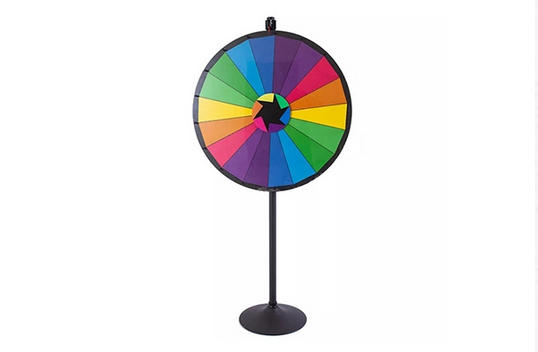
The big prize wheel—also known as the wheel of fortune or spinning prize wheel—has evolved from a classic casino game to a universal symbol of excitement and interaction. This large vertical wheel, divided into labeled segments and spun to determine winners, transcends venues and cultures, captivating audiences at casinos, trade shows, corporate events, and even digital platforms.
Historically rooted in casino games like the Big Six Wheel, modern prize wheels come in diverse forms to suit every need. Tabletop models (12–24 inches) offer portability for small promotions, while floor-standing giants (up to 48 inches) draw crowds at fairs and exhibitions with their bold presence . Digital variants have further expanded their reach, allowing virtual participation via apps or event screens, complete with LED animations and sound effects that amplify engagement . Crafted from durable materials like ABS plastic and steel frames, these wheels balance sturdiness with customization—slots can be updated with prizes, logos, or themes in minutes .
Beyond entertainment, big prize wheels are powerful marketing tools. They boost foot traffic at trade shows, encourage customer participation in retail promotions, and add excitement to corporate events or fundraisers . Casinos rely on variants like the money wheel, where symbols range from cash denominations to jokers with high odds, though house edges vary by region . Even television has embraced the concept, with long-running shows like Wheel of Fortune demonstrating its enduring appeal as a spectator sport .
What makes the big prize wheel timeless is its simplicity: the thrill of the spin, the suspense of the slowing pointer, and the joy of winning. Whether physical or digital, it turns passive observers into active participants, making it an indispensable asset for anyone seeking to engage, entertain, and leave a lasting impression.